A season with the bees: how single-flower honey is made
Why our beekeepers move hives with the bloom — and what it takes to bottle a honey that tastes of one flower.
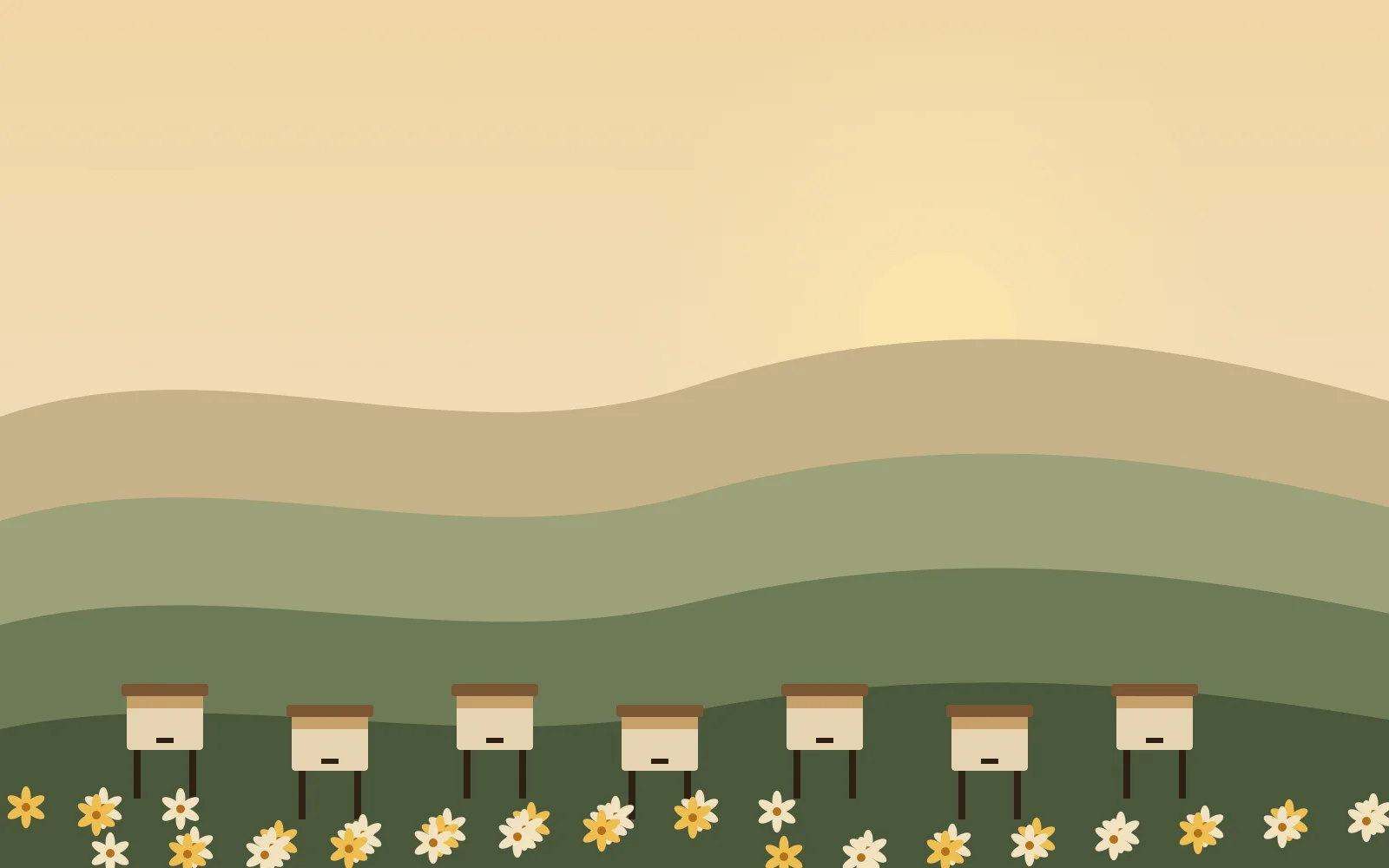
Single-flower (monofloral) honey depends on timing. Beekeepers move hives to orchards and forests just as a particular crop comes into bloom, then harvest as soon as that flow ends — before the bees switch to other flowers.
Following the bloom
A typical year might begin with mustard fields in Rajasthan in winter, move to litchi orchards in Bihar in spring, and end in jamun groves in Madhya Pradesh in early summer.
Harvesting only ripe honey
Bees seal (cap) each cell with wax once the honey's moisture has dropped. We only harvest frames that are mostly capped — it keeps moisture low and the honey stable without heating.
Why it tastes different
Each nectar has its own sugars, minerals and aromatic compounds. That is why acacia is pale and delicate while jamun is dark and earthy — and why we never blend them.